
 +91 93211 30712
 prophysio777@gmail.com
 Sai Dham Blg, Mulund (W), Mumbai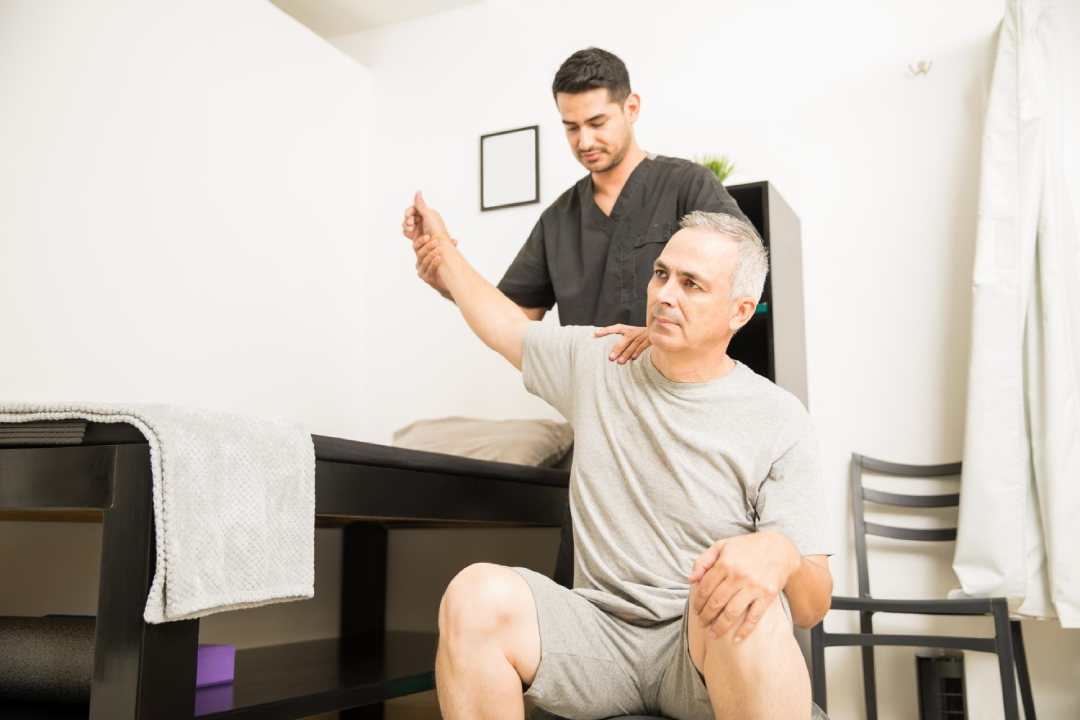
Recovering from a heart attack can feel overwhelming. You might be scared to move, worried about another attack, or unsure how to get back to normal life. These feelings are completely natural, but staying inactive isn't the answer.
Here's the good news: with proper guidance and care, you can regain your strength and confidence. At Pro-Physio in Mulund West, Dr. Aniket Anant Kadam specializes in cardiac rehabilitation, helping heart attack survivors rebuild their lives safely and effectively.
In this guide, you'll learn how physiotherapy supports your heart recovery journey, what to expect, and practical steps you can take at home. Whether you're in Mulund, Thane, or Mumbai, understanding your recovery options is crucial for getting your life back on track.
What Is Post-Heart Attack Recovery?
Post-heart attack recovery is the period after your heart has been damaged due to blocked blood flow. During this time, your heart needs to heal while you gradually rebuild your physical strength and mental confidence.
Recovery isn't just about resting in bed. In fact, controlled movement and exercise are essential for strengthening your heart muscle and preventing future problems. Think of it like retraining your body to work efficiently again, but this time with expert guidance to keep you safe.
Most people spend several weeks to months in recovery, depending on how severe their heart attack was. The goal is simple: help your heart become stronger while reducing your risk of another cardiac event.
What Causes Heart Attacks?
Understanding what led to your heart attack can help prevent future ones. Here are the main causes:
- Blocked Arteries:
Over time, fatty deposits called plaque build up in your heart's arteries. When a plaque ruptures, it forms a clot that blocks blood flow to your heart muscle.
- High Blood Pressure:
Constantly elevated blood pressure damages your arteries, making them stiff and narrow. This forces your heart to work harder and increases heart attack risk.
- High Cholesterol Levels:
Too much bad cholesterol in your blood contributes to plaque buildup in your arteries, restricting blood flow to your heart.
- Smoking and Tobacco Use:
Tobacco damages your blood vessels, raises blood pressure, and reduces oxygen in your blood, all of which strain your heart.
- Sedentary Lifestyle:
Lack of physical activity weakens your heart muscle and contributes to weight gain, high blood pressure, and other risk factors.
- Diabetes and Obesity:
These conditions damage blood vessels over time and significantly increase your chances of developing heart disease.
- Stress and Poor Sleep:
Chronic stress and inadequate sleep raise your blood pressure and trigger inflammation, both of which harm your heart health.
How Physiotherapy Helps Your Heart Recovery
Physiotherapy is a cornerstone of cardiac rehabilitation. At Pro-Physio, Dr. Aniket Anant Kadam creates personalized recovery plans that help you heal safely while building strength and confidence.
Phase 1: Hospital Recovery (First Few Days) Right after your heart attack, you'll begin with very gentle movements in bed. Your physiotherapist will guide you through safe exercises like:
- Gentle breathing exercises to improve oxygen flow
- Ankle and leg movements to prevent blood clots
- Sitting up and short walks with support
Phase 2: Early Recovery (Weeks 1-6) Once you're home, your treatment focuses on gradually increasing activity:
- Monitored walking programs that slowly increase distance
- Light stretching exercises to maintain flexibility
- Breathing techniques to reduce anxiety and improve circulation
- Education on warning signs and safe activity levels
Phase 3: Building Strength (Weeks 6-12) As your heart heals, exercises become more structured:
- Supervised aerobic exercises tailored to your capacity
- Gentle resistance training to rebuild muscle strength
- Balance and coordination exercises
- Lifestyle counseling and stress management techniques
Phase 4: Long-Term Maintenance (3+ Months) The final phase prepares you for independent, healthy living:
- Progressive exercise programs you can continue at home
- Return to daily activities and work
- Ongoing monitoring and adjustments as needed
Benefits of Physiotherapy After a Heart Attack:
Symptoms and Warning Signs to Watch For
During recovery, it's important to know what's normal and what requires immediate medical attention:
- Chest pain or discomfort – especially if it feels like pressure, squeezing, or returns during activity
- Shortness of breath – difficulty breathing even during light activity or at rest
- Unusual fatigue – extreme tiredness that doesn't improve with rest
- Dizziness or lightheadedness – feeling faint or unsteady, especially when standing
- Irregular heartbeat – heart racing, skipping beats, or pounding in your chest
- Swelling in legs or feet – fluid retention that doesn't go down overnight
- Pain spreading to arms, neck, or jaw – discomfort radiating from your chest area
Emergency Warning: If you experience severe chest pain, difficulty breathing, or any symptoms that worry you, call emergency services immediately. Don't wait or try to drive yourself to the hospital.
Home Care and Precautions During Recovery
Supporting your recovery at home is just as important as your therapy sessions. Here's what you can do:
- Start slow and build gradually:
Begin with short walks around your home. Add one or two minutes each day only if you feel comfortable. Never push through chest pain or severe breathlessness.
- Follow your medication schedule:
Take all prescribed medicines exactly as directed. Set phone reminders if needed and never skip doses without consulting your doctor.
- Eat a heart-healthy diet:
Focus on fruits, vegetables, whole grains, and lean proteins. Reduce salt, sugar, and unhealthy fats. Your diet directly impacts your recovery speed.
- Monitor your vital signs:
Keep track of your blood pressure and heart rate if advised by your doctor. Report any unusual patterns to Dr. Aniket Kadam or your cardiologist.
- Manage stress effectively:
Practice deep breathing, meditation, or gentle yoga. Stress raises blood pressure and can trigger heart problems, so finding calm is crucial.
- Get adequate rest:
Sleep 7-8 hours each night. Your body repairs itself during sleep, and poor sleep can slow your recovery and increase complications.
- Avoid heavy lifting and straining:
Don't lift anything heavier than 5-10 pounds for the first few weeks. Straining can put dangerous pressure on your healing heart.
Important safety note: Always consult with Dr. Aniket Kadam before starting any exercise or activity. Every heart attack is different, and your recovery plan should be tailored specifically to your condition and progress.
Take Control of Your Heart Health Today
Recovering from a heart attack is a journey, but you don't have to walk it alone. At Pro-Physio, Dr. Aniket Anant Kadam has helped numerous patients in Mulund, Thane, and Mumbai regain their strength, confidence, and quality of life after cardiac events.
With a personalized approach and years of expertise in cardiac rehabilitation, Dr. Aniket Kadam will guide you through each phase of recovery safely. Located conveniently at Sai Dham, Mulund West, Pro-Physio provides comprehensive physiotherapy services designed specifically for heart patients.
Ready to start your journey to a stronger heart?
Don't let fear hold you back from recovery. Book your appointment today and take the first step toward a healthier, more active future. Your heart deserves expert care, and your family deserves to have you healthy and strong.
 For any additional enquiries : prophysio777@gmail.com